
PE-BACKED SOFTWARE PORTFOLIOS
Keep engineering execution aligned with the value creation plan.
Add the engineering capacity and capability PortCos need without turning every new priority into permanent headcount.
SAME PORTFOLIO, DIFFERENT PRESSURE
The engineering problem looks different depending on where you sit.
If you lead a PortCo
You need to hit delivery commitments, improve the platform, and keep the team moving without losing control of technical direction.
If you work across the portfolio
You need visibility into engineering risk and a repeatable way to add capacity without rebuilding the model at every company.
ENGINEERING THROUGH THE INVESTMENT LIFECYCLE
The pressure changes across the hold period.

Post-acquisition
Inherited platforms, vendors, capability gaps, and leadership changes can quickly become execution risk.
The first priority is understanding what needs to stabilize and where additional capacity will have the most impact.

During the hold
The focus shifts to execution.
Roadmaps need to move, modernization needs room, and engineering spend needs to support the value creation plan with greater predictability.

Exit preparation
Technical issues that were manageable during the hold become easier to scrutinize.
Platform health, delivery discipline, continuity, and cost structure need to stand up to diligence.
ENGINEERING THROUGH THE INVESTMENT LIFECYCLE
The constraint is not always headcount.
Hiring is frozen, but commitments are not.
The work still needs to move even when adding permanent headcount is difficult to justify.
Engineering spend is becoming harder to defend.
More people or higher spend are not automatically translating into more predictable output.
A transition is putting continuity at risk.
An inherited vendor, leadership change, acquisition, or key-person dependency is creating more uncertainty than the roadmap can absorb.
The same capability gap keeps appearing across PortCos
Cloud, DevOps, QA automation, data, platform, or AI expertise may be needed without building the same permanent capability at every company.
Modernization keeps sliding.
Aging architecture or technical debt is becoming harder to separate from business risk.
A PortCo keeps missing delivery milestones.
The value creation plan is moving faster than engineering can comfortably execute.
Engineering priorities
Start with the problem, not the engagement model.
Different constraints call for different kinds of support.
Delivery commitments are at risk
Increase execution capacity around roadmap work, backlog pressure, integrations, or milestones tied to the value creation plan.
Release reliability is undermining confidence
Improve QA automation, regression coverage, testing discipline, and release predictability.
Platform risk is becoming a business issue
Reduce technical risk incrementally without pausing current delivery for a large rewrite.
A PortCo needs sustained engineering capacity
Add experienced nearshore engineers inside the existing organization, workflows, and technical standards.
A specialized capability is missing
Bring in targeted expertise for a PortCo or across multiple companies without making every gap a permanent hire.
An inherited application or vendor needs stabilization
Protect continuity, transfer knowledge, and reduce the operational burden of supporting critical systems.
BUILT FOR THE WAY PORTCOS OPERATE
More capacity should create leverage, not another layer to manage.
Less coordination
Engineers work inside the PortCo’s existing tools, ceremonies, backlog, and engineering standards.
More flexibility
Capacity can change as priorities, acquisitions, and portfolio needs evolve.
Better cost visibility
Add capability where it is needed without turning every engineering requirement into permanent fixed headcount.
More continuity
Product and platform knowledge stays with the team instead of resetting every time priorities or vendors change.
Engagement models
Use the model that fits the need.
The engineering problem comes first. The engagement structure follows.


Dedicated Teams
A stable nearshore team aligned to a product, platform, or long-term engineering need.
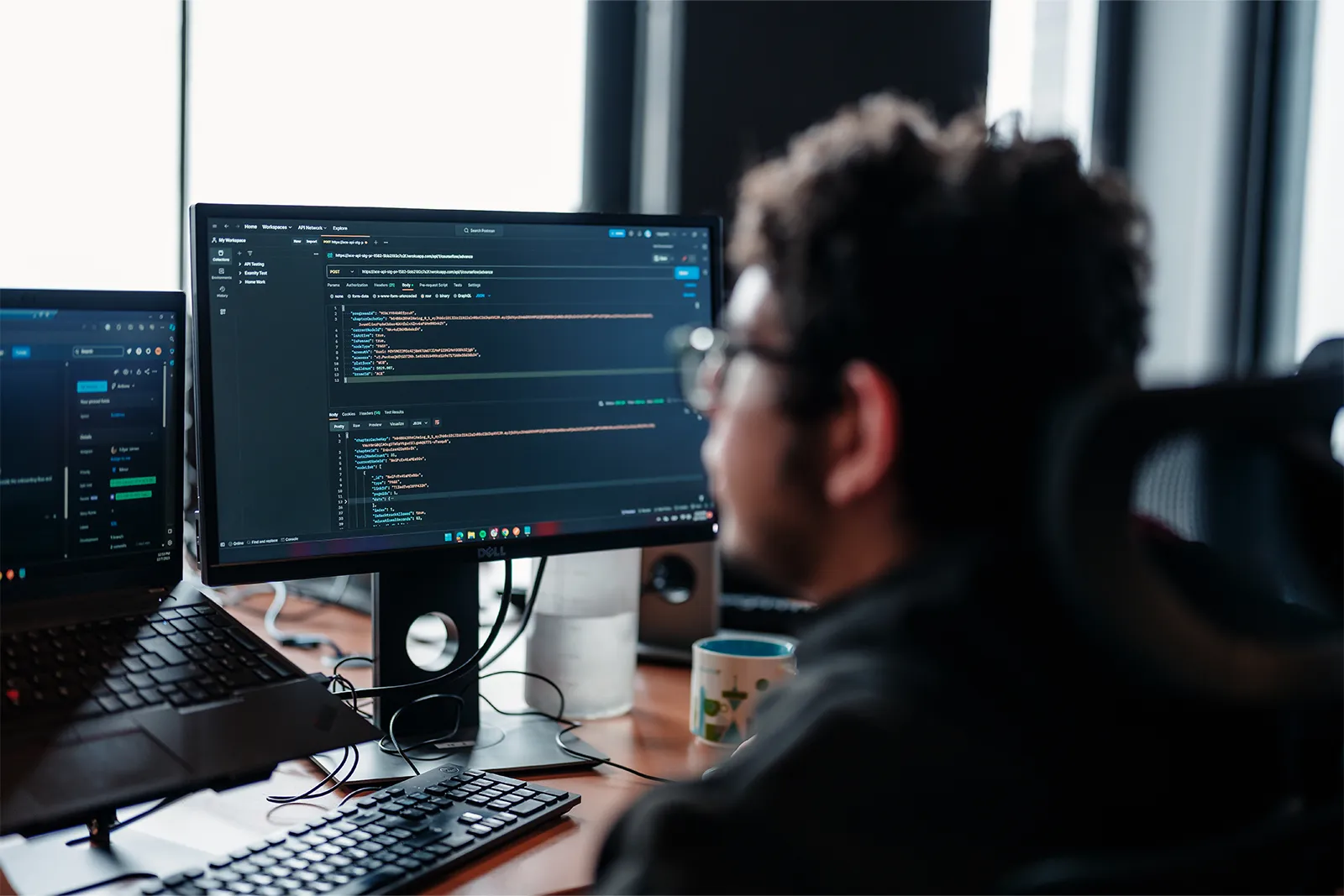

Staff Augmentation
Individual engineers added to an existing team when internal leadership and delivery ownership are already in place.
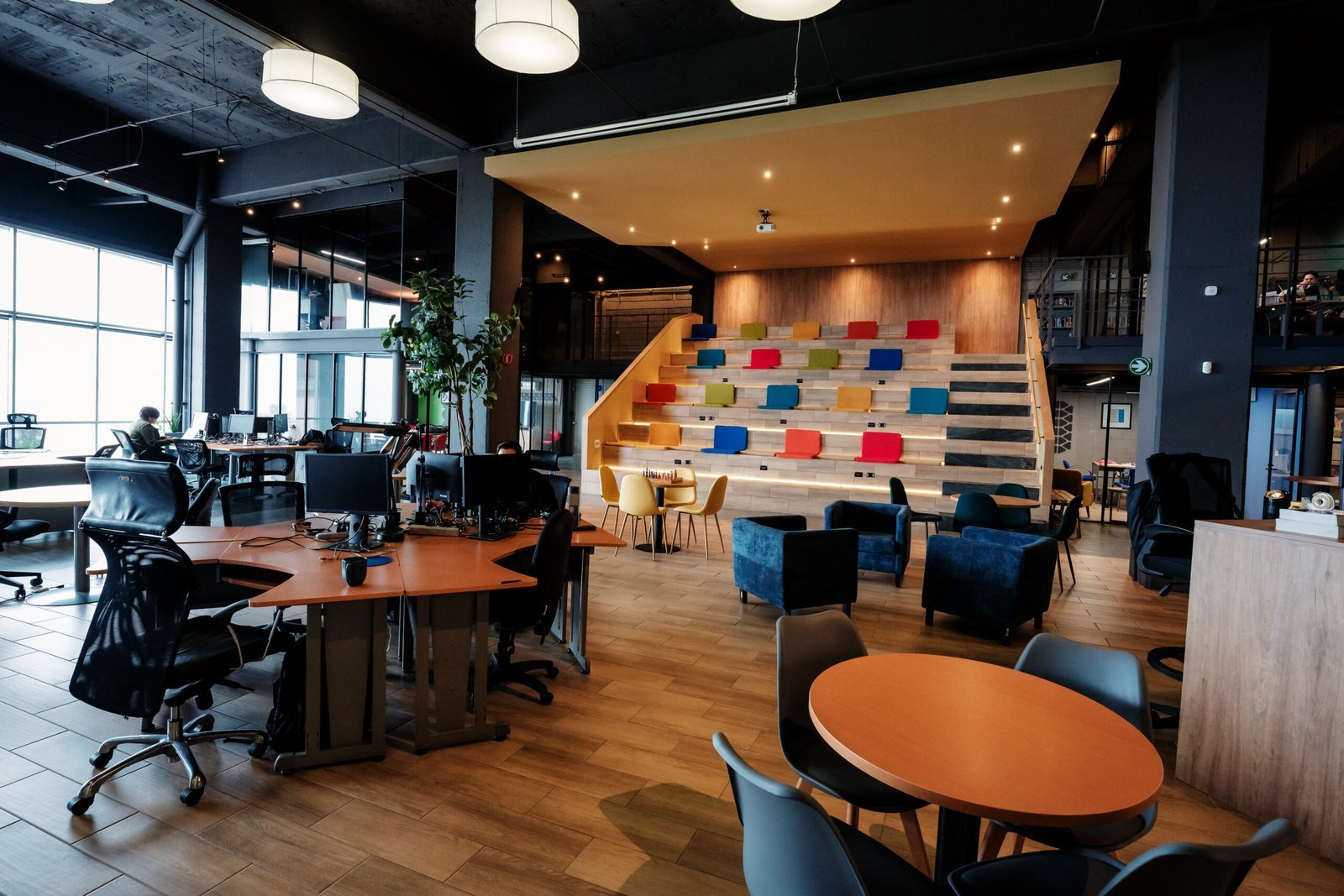

Flexible BOT
Build a team with Scio and retain the option to bring that capability inside your organization later.
BUILT FOR CONTINUITY
The model only works if the relationship holds up over time.
20+
Years
Working with North American technology companies
98%
Client Retention
Relationships built beyond a single initiative
5+
Years
Average client engagement
Stable teams preserve product knowledge, reduce repeated ramp-up, and make external capacity easier to manage as the relationship matures.
COMMON QUESTIONS
Questions that come up when engineering decisions affect more than one company.
Can one engineering partner support multiple PortCos?
Yes. The model can be structured around individual PortCo needs while giving portfolio leadership a more consistent approach to engineering capacity, specialized capability, and partner management.
Not every PortCo needs the same team or the same level of support.
How can we add capacity without increasing permanent headcount?
External engineering capacity can support delivery commitments, modernization, integrations, or temporary capability gaps without requiring every need to become a permanent internal role.
The right structure depends on how long the need will last and how much ownership the internal team already has.
Can specialized engineering capability be shared across PortCos?
In some situations, yes.
Capabilities such as DevOps, cloud, QA automation, data engineering, platform engineering, or architecture may be needed across several companies without each PortCo building a permanent team around them.
The operating model needs to account for context switching, ownership, and knowledge transfer so shared capability does not become shared confusion.
Can you help stabilize an inherited vendor or application after an acquisition?
Yes.
A transition can be phased so knowledge is transferred while current delivery continues. The priority is protecting continuity before making larger changes to the platform or operating model.
Can modernization happen during the hold period without disrupting the roadmap?
It does not have to begin with a full rewrite.
Modernization can be broken into practical increments around architecture, integrations, test coverage, cloud enablement, or high-risk components while current product work continues.
What happens as portfolio priorities change?
Capacity does not need to remain static.
The team structure can change as an initiative finishes, another PortCo develops a need, an acquisition closes, or the organization decides to internalize a capability.
START WITH THE RISK
Where is engineering putting the value creation plan under pressure?
Start with the situation that needs attention. We can work backward from there.