
RELEASE CONFIDENCE & QUALITY ENGINEERING
Release faster with more confidence.
Build quality into the delivery process so teams get earlier feedback, stronger regression coverage, and clearer evidence before software reaches production.
WHEN RELEASES BECOME HARD TO TRUST
Quality breaks down when feedback comes too late.
The team may be shipping regularly, but growing product complexity can make every release harder to validate and more stressful to approve.
Regression keeps getting slower
Manual suites expand as the product changes, turning every release into a longer validation cycle.
QA becomes the bottleneck
Testing happens after development instead of alongside it, so problems arrive when they are more expensive to fix.
Production surprises become normal
Hotfixes, escaped defects, incidents, and post-release cleanup consume capacity that should be going toward the roadmap.
Release decisions rely on judgment calls
Teams know what was tested, but not always what remains risky or whether the evidence is strong enough to release confidently.
CHOOSING THE RIGHT APPROACH
More testing and better release confidence are not the same thing.
The right approach depends on whether the constraint is testing capacity, automation capability, engineering integration, or the quality system itself.
| Manual Testing | More QA Hires | Internal Automation | Outsourced Testing | Quality Engineering Partner | |
|---|---|---|---|---|---|
| Speed to Start | High | Low | Medium | High | Medium |
| Regression Scalability | Low | Medium | High when mature | Medium | High |
| Release Confidence | Low-Medium | Medium | High when mature | Medium | High |
| Engineering Integration | Medium | High | High | Low-Medium | High |
| Root-Cause Improvement | Low | Medium | Medium | Low | High |
| Management Load | Medium | High | High | Medium | Low-Medium |
| Long-Term Quality Maturity | Low | Medium | High | Low | High |
A BETTER QUALITY MODEL
Confidence should build before release day.
The goal is not more QA activity. It is reliable evidence that the release is ready.

Earlier Feedback
Find problems while they are still easier and cheaper to correct, rather than waiting until final regression.
Clearer Release Decisions
Make release readiness visible through testing evidence, known defects, unresolved risks, and explicit go/no-go criteria.
Fewer Recurring Surprises
Use defect patterns and production feedback to improve the system, not just close individual bugs.
WHY SCIO
Improve the quality system, not just test execution.
Quality engineering capability
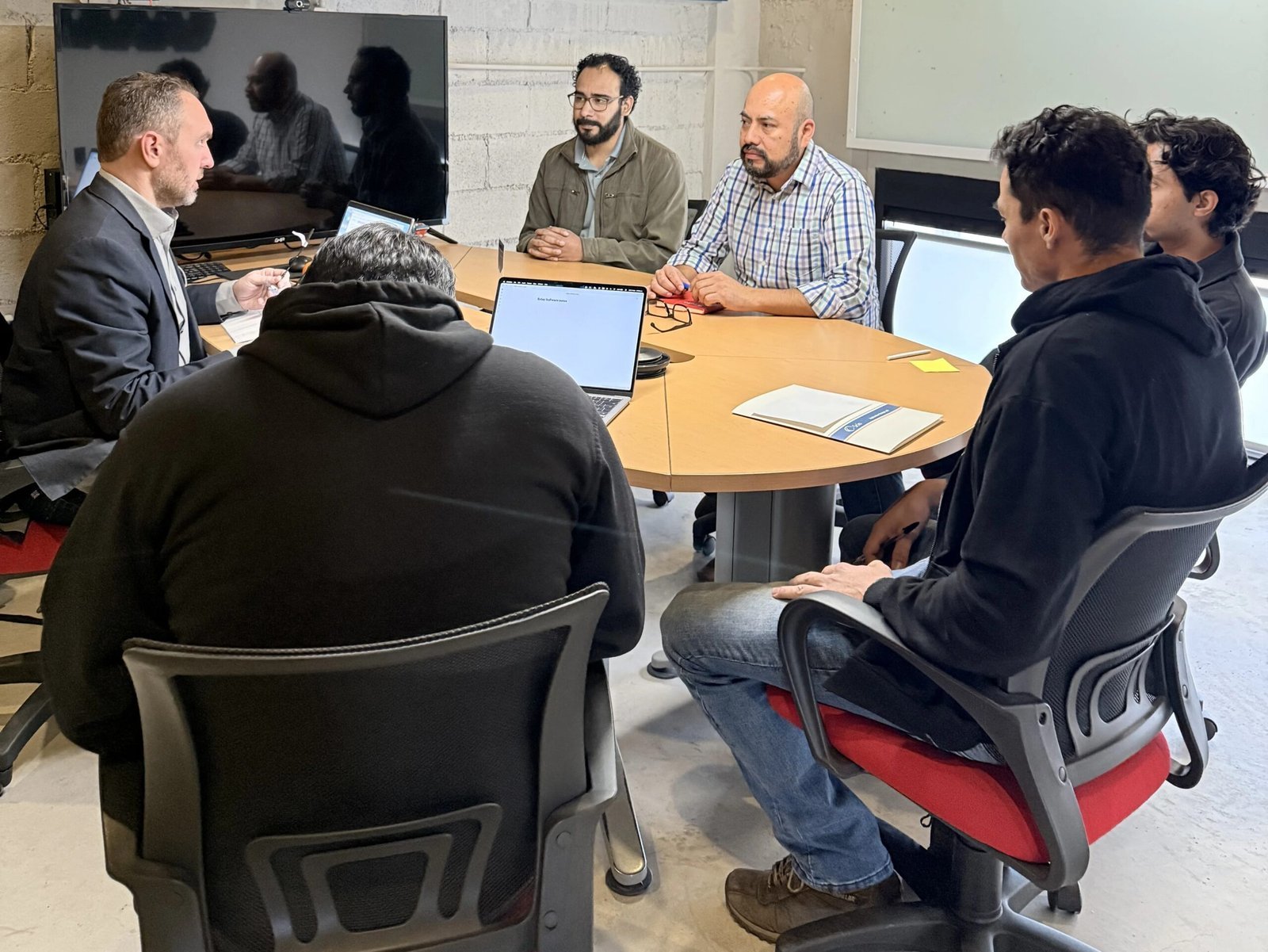
QA automation, regression testing, manual and exploratory testing, defect analysis, and release readiness can work as one quality capability rather than disconnected activities
Practical automation judgment
Not everything should be automated.
Scio helps identify what is worth automating based on business risk, change frequency, regression burden, and maintainability, while keeping human testing where it adds more value.
Engineering integration
Quality work stays connected to development, product, DevOps, architecture, and support so feedback appears earlier in the delivery process.
AI-assisted, engineer-led
AI-assisted tools can support test generation, defect analysis, log review, code understanding, documentation, and regression planning.
THE SCIO QUALITY APPROACH
Find the risk. Strengthen the system. Build confidence.
01
Assess
Review the release process, QA practices, regression burden, automation coverage, defect history, and production issues.
02
Prioritize
Identify the workflows and product areas where quality risk has the greatest business and delivery impact.
03
Strengthen
Improve acceptance criteria, test design, environments, test data, defect triage, and regression ownership where the foundation is weak.
04
Automate
Build or improve maintainable automated tests around high-value regression paths and integrate them into delivery where appropriate.
05
Ready & Improve
Make release readiness visible through evidence, then use production feedback and quality metrics to keep improving the model.
FOCUS WHERE CONFIDENCE BREAKS DOWN
Quality engineering should target the actual release risk.
Regression Improvement
Reduce slow, repetitive regression work and improve coverage around critical workflows.
QA Automation
Build maintainable automation around high-value tests rather than maximizing test count.
Release Readiness
Create clearer evidence around test status, open defects, known risks, and production readiness.
Defect Reduction
Identify recurring defect patterns and improve the engineering practices behind them.
Manual & Exploratory Testing
Keep human testing focused on new functionality, usability, edge cases, and areas where judgment matters more than automation.
Quality Process Improvement
Bring QA, engineering, product, DevOps, and operations into a more connected quality model.
COMMON QUESTIONS
What to know before changing the quality model.
Will automation slow us down before it helps?
It can if automation is approached as a coverage exercise.
The first targets should be tests where automation reduces meaningful regression effort or improves confidence around business-critical workflows.
Will automation replace manual testing?
No.
Automation is most useful for repeatable, high-value validation. Exploratory testing remains important for new functionality, usability, edge cases, and situations that require human judgment.
How do we decide what to automate first?
Start with business-critical workflows, high-change areas, historically defect-prone functionality, integrations, and repetitive tests that materially slow releases.
The goal is useful confidence, not a larger test count.
Can we improve quality without slowing releases?
The transition needs to be sequenced carefully.
The objective is to improve feedback and regression confidence while protecting near-term delivery, not pause the roadmap until a new QA system is complete.
What if our current automation is brittle?
Existing automation should be assessed before simply adding more.
That may mean stabilizing useful tests, removing low-value coverage, changing the test level, improving environments or test data, and establishing clearer ownership for maintenance.
START WITH THE RELEASE RISK
What makes your releases hard to trust?
Tell us where regression slows delivery, where defects are escaping, or which releases create the most uncertainty.