Businesses running on proprietary software
The software isn’t what you sell. But the business depends on it.
Add the engineering capacity to support, improve, and modernize those systems without disrupting the business around them.
When software becomes business-critical
Custom software often carries more of the business than anyone planned.
It may coordinate routes, orders, customers, production, pricing, risk, or internal workflows. Over time, the system becomes closely tied to how the company actually operates.
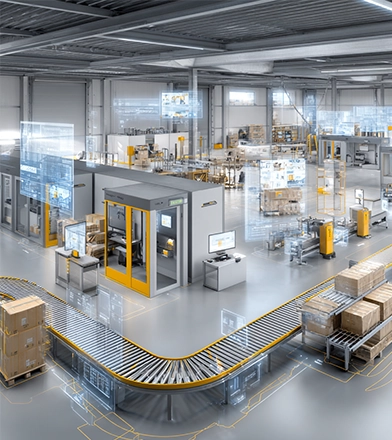
Logistics
Routing, dispatch, warehouse, or transportation platforms built around the way operations run.
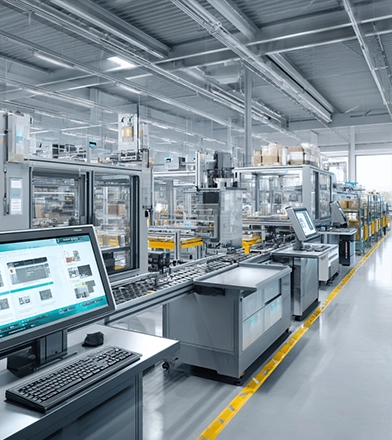
Manufacturing
Production, planning, inventory, or internal systems that connect people and processes.
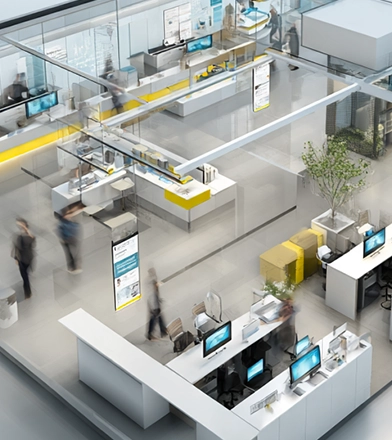
Services
Custom platforms that coordinate customers, employees, scheduling, or service delivery.
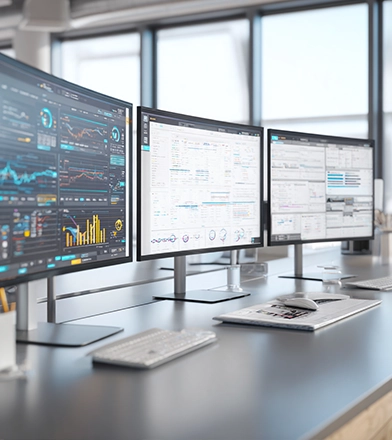
Financial Operations
Risk, transaction, reporting, or workflow systems that support specialized business processes.
When the system starts getting in the way
Business-critical software should support change, not make every change harder.
Simple changes take too long
Aging architecture, brittle integrations, or limited test coverage make routine improvements more difficult than they should be.
Too much time goes into keeping the system running
Support, fixes, and recurring issues leave less capacity for work that moves the business forward.
Important initiatives keep getting deferred.
The business needs the platform to do something new, but the current team does not have enough room to get there.
Manual workarounds are becoming part of the operating model
Processes outside the system start compensating for what the software can no longer handle well.
Too much knowledge sits with one person or vendor
A departure or vendor change could turn a technical dependency into a continuity problem.
Replacing everything feels too risky
The system matters too much to disrupt, but maintaining the status quo is becoming harder to justify.
Engineering priorities
Start with the problem, not the engagement model.
Different constraints call for different kinds of support.
Support is consuming too much internal capacity
Stabilize, maintain, and improve critical applications while freeing internal teams for more strategic work.
The platform needs to evolve without putting operations at risk
Reduce technical risk incrementally while preserving the workflows and business logic that still create value.
A business initiative is waiting on software
Add execution capacity around enhancements, integrations, or projects that need to move without displacing other critical work.
Reliability problems are affecting operations
Improve testing, regression confidence, and release practices when defects or unstable changes are creating business disruption.
The internal team needs sustained engineering capacity
Add engineers who work inside the existing environment and build enough context to contribute over the long term.
A new initiative requires expertise the team does not have
Bring in targeted capability for cloud, DevOps, QA automation, data, platform, AI, or another specialized technical need.
Built around the business behind the software
Good engineering support should reduce operational burden.

More room for strategic work
Routine maintenance and support should not consume the people needed for higher-priority initiatives.

Better business context
Engineers need to understand the workflows behind the system, not just the code inside it.

Clearer visibility
Business and technical leaders should understand what is changing, what still carries risk, and what needs attention next.

More continuity
System knowledge should become easier to retain and transfer instead of remaining concentrated with one employee or vendor.
Engagement models
Use the model that fits the need.
The software problem comes first. The engagement model follows.


Dedicated Teams
Stable engineering capacity around a critical application, platform, or long-term workstream.
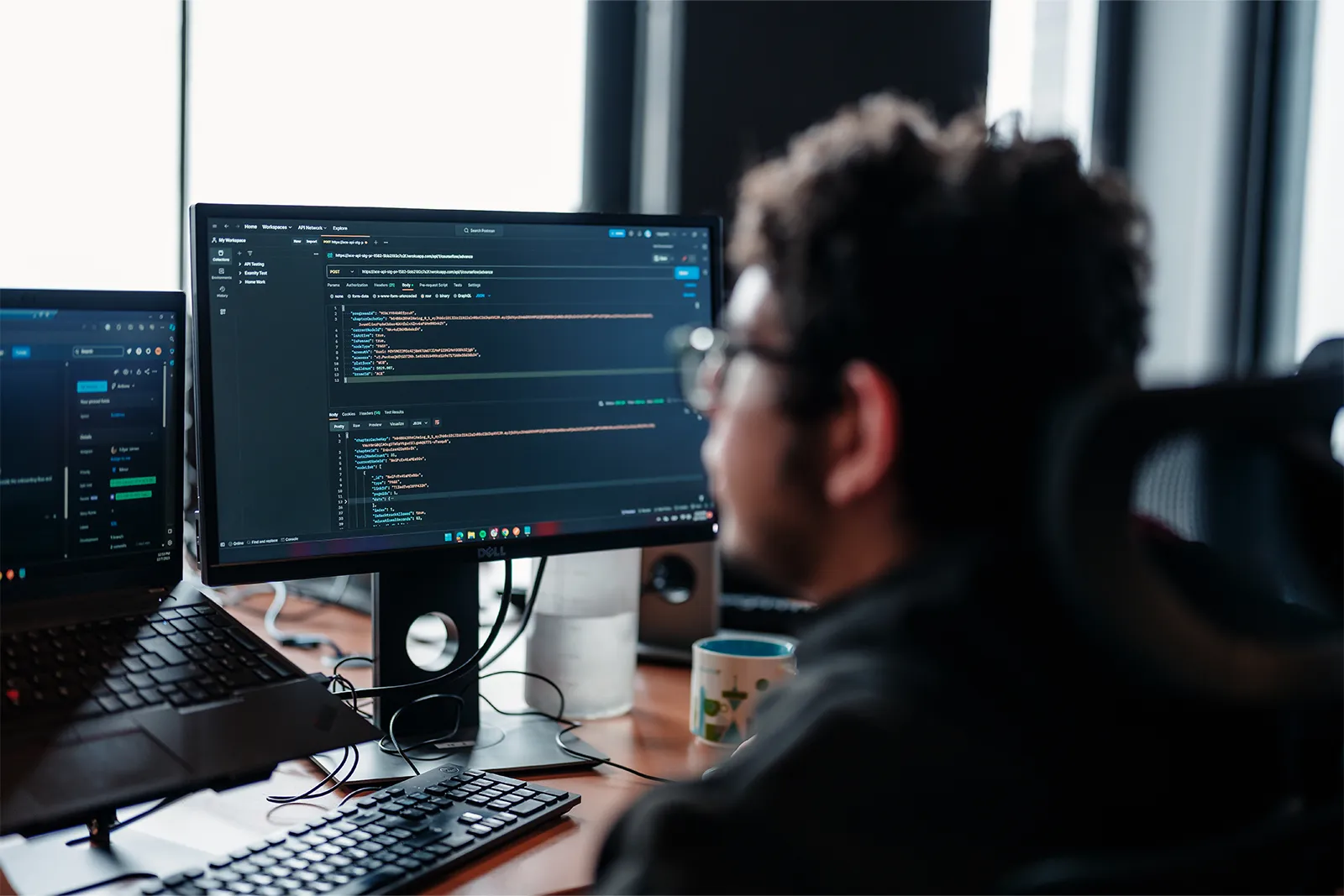

Staff Augmentation
Individual engineers or specialists added where an internal team already owns delivery.

Flexible BOT
Build a capability externally while retaining the option to bring the team inside the organization later.
Built for long-term systems
Continuity matters when the software carries business knowledge.
Long-term teams preserve technical and business context, reducing the need to rebuild knowledge every time priorities, systems, or people change.
Client retention
Years average client engagement
Building and supporting software for North American companies
Common questions
Questions that come up when the system cannot simply be replaced.
Can you take over an application from another vendor?
Yes.
A vendor transition can be phased so knowledge is transferred while the application continues operating. The first priority is understanding the system, dependencies, open issues, and business processes around it before making larger changes.
What if most of the system knowledge sits with one internal person?
That is a common continuity risk.
The goal should be to transfer and document enough technical and business context that the organization is no longer dependent on one person to keep the system operating or explain how it works.
Do we need to modernize before another team can support the application?
Not necessarily.
Stabilization and support can come first. Once the system is better understood and operational risk is under control, modernization priorities can be addressed incrementally.
Can support and modernization happen at the same time?
Yes, but they need clear priorities.
Some work protects day-to-day operations while other work reduces the technical constraints creating recurring support problems. The balance depends on the condition of the application and the business risk around it.
What if the application uses older technologies?
Older technology does not automatically mean the application needs to be replaced.
The more important questions are whether the system can be supported safely, how difficult it is to change, where the major dependencies sit, and whether specific components are creating unacceptable business risk.
How do engineers learn the business processes behind a custom system?
Understanding the software starts with understanding how the business uses it.
That means working with technical teams, process owners, users, documentation, existing workflows, and the people who understand why the system evolved the way it did.
Can you help without replacing the system we already have?
Yes.
Modernization can mean improving specific components, integrations, architecture, testing, or infrastructure while preserving the business logic that still works.
A full rewrite should be a deliberate decision, not the default starting point.
Start with the system
Tell us what the business depends on.
From there, we can determine whether the priority is support, stabilization, modernization, additional capacity, or a combination of them.