
DELIVERY ACCELERATION
Accelerate delivery without adding another management layer.
Add focused engineering capacity where delivery is slipping, while keeping the work integrated with your existing priorities, team, and delivery model.
WHEN DELIVERY PRESSURE OUTGROWS THE TEAM
The constraint is not always headcount. It is execution.
More engineers can help, but delivery often slows because capacity, priorities, dependencies, technical friction, and coordination are all competing at once.
Roadmap commitments are slipping
Work promised to customers, leadership, investors, or the board keeps moving further out.
The team is carrying too many priorities
Roadmap work, defects, support, modernization, and stakeholder requests are all competing for the same capacity.
Hiring cannot solve the near-term problem
The work needs to move before permanent recruiting cycles can catch up.
Important initiatives lack focused execution
A strategic program, PortCo milestone, modernization effort, or critical product commitment needs more attention than the current team can provide.
CHOOSING THE RIGHT APPROACH
More capacity and more predictable delivery are not the same thing.
Different approaches make sense depending on whether the immediate need is extra hands, permanent capability, or stronger execution around commitments already at risk.
| Push Existing Team | Permanent Hiring | Contractors | Staff Augmentation | Delivery Acceleration | |
|---|---|---|---|---|---|
| Speed to Add Capacity | Immediate | Slow | Medium-High | Medium-High | Medium-High |
| Delivery Predictability | Low-Medium | Medium | Low | Medium | High when integrated well |
| Management Load | High | High | High | Medium-High | Low-Medium |
| Continuity | Medium | High | Low | Medium | High |
| Integration with Existing Delivery | High | High | Variable | Variable | High by design |
| Ability to Reduce At-Risk Commitments | Limited | Slow | Variable | Medium | High when scope is clear |
CAPACITY THAT TRANSLATES INTO EXECUTION
More engineers only help if the delivery system can absorb them.
The objective is not to make everyone busier. It is to restore delivery momentum without creating a second management problem.

Focus
Additional capacity should be aligned to the commitments that matter most, not spread across every backlog item competing for attention.
Integration
The team should work inside your existing product, engineering, QA, DevOps, and delivery environment rather than creating a parallel vendor track.
Visibility
Leadership should be able to see what is moving, what is blocked, where decisions are needed, and whether forecasts are becoming more reliable.
Quality
Acceleration should improve reliable throughput, not create shortcuts that generate more rework later.
WHY SCIO
Capacity is useful only when it fits the way your organization delivers.
Start with the constraint, not the staffing package
Scio looks at whether the real blocker is capacity, coordination, technical debt, quality, dependencies, or unclear priorities before defining the team.
Integrate into the system you already have
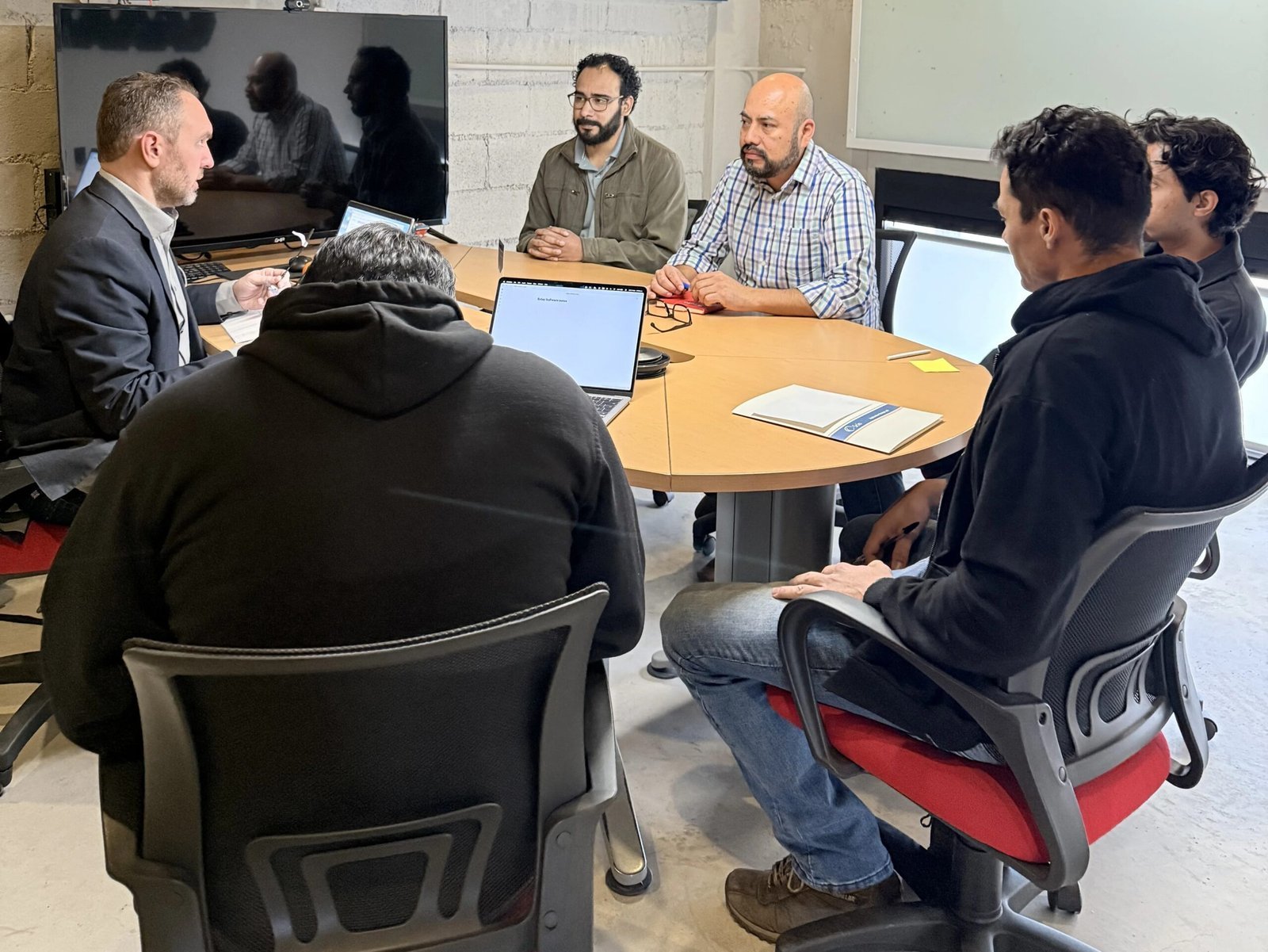
Engineers work inside your planning, standups, review cycles, tools, architecture standards, QA practices, and release cadence.
Add delivery structure around the capacity
The model can include delivery oversight, progress visibility, continuity, and clear client-Scio responsibilities rather than leaving your leaders to coordinate every external contributor individually.
AI-assisted, engineer-led
Where appropriate, AI-assisted workflows can support code understanding, test generation, documentation, backlog analysis, and engineering productivity.
THE SCIO DELIVERY APPROACH
Align on the commitment. Build around the constraint. Execute inside the existing system.
01
Align
Clarify what needs to move, why it matters, what is at risk, and what success should look like.
02
Diagnose
Review the roadmap, backlog, team structure, dependencies, quality constraints, technical friction, and decision bottlenecks.
03
Design & Integrate
Build the right team or pod, define responsibilities, and integrate into the client’s tools, delivery cadence, and engineering practices.
04
Execute & Recalibrate
Deliver in focused increments, surface blockers early, protect quality, and adjust capacity or priorities based on what the evidence shows.
SHAPED AROUND THE CONSTRAINT
The team structure should follow the delivery problem.
Embedded Capacity
Add engineers into a strong existing delivery model when the primary constraint is capacity.
Focused Delivery Pod
Create a dedicated team around a specific initiative, feature area, or backlog that needs concentrated execution.
Modernization + Roadmap Support
Move technical improvement forward without stopping important product delivery.
Recovery Team
Bring structure, visibility, and focused execution to a commitment that is already delayed or under pressure.
PortCo Milestone Support
Add delivery capacity around value-creation, integration, or operating-plan commitments.
COMMON QUESTIONS
What to know before adding external delivery capacity.
Will adding people slow us down before it helps?
There is always an onboarding cost.
The key is to focus onboarding around a defined commitment, clear work slices, the right access, and integration into the delivery rituals already in place.
Will we have to manage every external engineer?
Not necessarily.
The model can include delivery oversight, working agreements, progress visibility, and clear responsibilities between your leaders and Scio.
What if capacity is not actually the problem?
Then adding developers will not solve it.
If the real constraint is coordination, technical debt, quality, dependencies, or unclear priorities, that needs to be identified before additional capacity is applied.
How do you protect quality while moving faster?
Quality stays inside the delivery system through clear acceptance criteria, testing, code review, engineering standards, release discipline, and visibility into defects and rework.
What happens when the urgent commitment is complete?
The engagement can scale down, transition knowledge, move to another priority, or evolve into a longer-term Integrated Engineering Team if that makes sense.
START WITH THE COMMITMENT
What software work needs to move now?
Tell us which commitments are slipping, where the team is under pressure, and what cannot wait for the internal hiring cycle.