INTEGRATED ENGINEERING TEAMS
Add capacity that works like part of your team.
Build a stable engineering capability around your roadmap without adding a parallel vendor process or another layer for your leaders to manage.
CHOOSING THE OPERATING MODEL
Adding people and transferring operational responsibility are not the same decision.
The right model depends on how much internal management you want to retain, how important continuity is, and whether the goal is simply more capacity or clearer ownership of the application.
| Internal Hiring | Contractors | Staff Augmentation | Offshore Team | Integrated Engineering Team | |
|---|---|---|---|---|---|
| Speed to Capacity | Low | Medium-High | Medium-High | Medium | Medium-High |
| Workday Collaboration | High | Variable | Variable | Low-Medium | High |
| Long-Term Continuity | High | Low | Medium | Medium | High |
| Management Burden | High | High | Medium-High | Medium-High | Low-Medium |
| Team Integration | High | Variable | Variable | Variable | High |
| Knowledge Retention | High | Low | Medium | Medium | High when managed well |
WHEN MORE CAPACITY CREATES MORE WORK
External engineers only help when the team can absorb them.
Hiring may be slow and external talent may be available, but adding people does not automatically increase useful engineering capacity.
Internal leaders become coordinators
Managers spend more time onboarding, following up, resolving issues, and keeping disconnected contributors aligned.
Context keeps resetting
Short-term contractors and turnover force the team to repeatedly rebuild product, architecture, and business knowledge.
External engineers stay on the outside
Without strong integration, they execute tasks but lack the context needed to contribute with judgment.
Delivery impact falls short of capacity added
More people appear on the org chart, but coordination, rework, and unclear accountability reduce the expected gain.
A BETTER CAPACITY MODEL
More capacity should not mean more complexity.
The goal is not to outsource engineering. It is to expand the engineering organization with capacity that can integrate, perform, and stay.
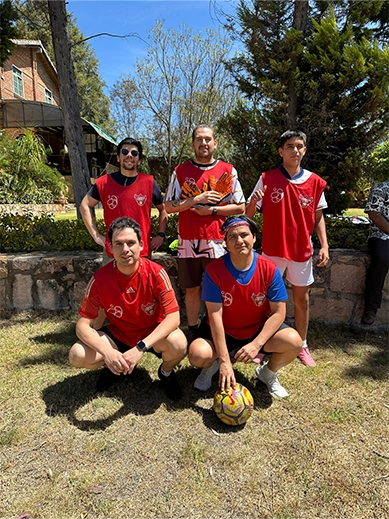
Integration
Engineers work inside your tools, standards, backlog, communication rhythm, and delivery process.
Continuity
Product, architecture, and business knowledge accumulate instead of leaving every time a resource changes.
Less management overhead
Your leaders keep control of priorities and technical direction while Scio supports performance, team health, continuity, and escalation.
Flexibility
The team can evolve as roadmap priorities, technical needs, and the organization itself change.
WHY SCIO
Built for integration, not placement.
Team design around the work
Scio starts with the product, engineering organization, technical environment, and delivery responsibilities before defining roles and seniority.
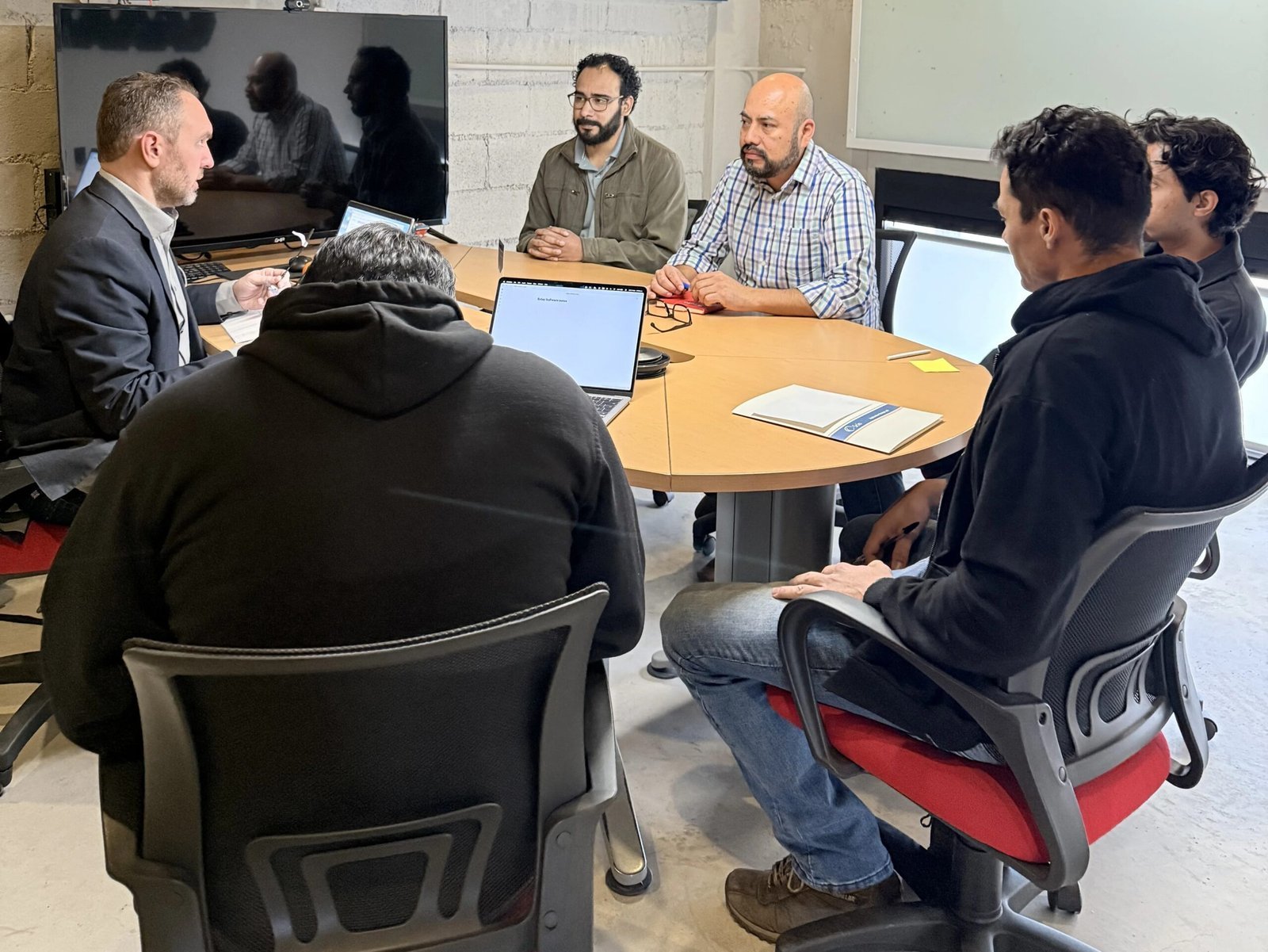
Integration into your operating model
The team works inside your backlog, tools, engineering practices, ceremonies, and technical standards rather than requiring a separate vendor process.
Performance and continuity support
Scio stays involved in team health, performance, retention, knowledge continuity, and replacement planning so those responsibilities do not fall entirely on your managers.
AI-assisted, engineer-led
AI-assisted workflows can support code understanding, documentation, test generation, backlog analysis, and developer productivity where appropriate.
THE SCIO OPERATING MODEL
Move from inherited support burden to controlled application ownership.
01
Understand
Learn how your product, engineering organization, technical stack, delivery process, and team responsibilities already work.
02
Design
Define the right roles, seniority, technical skills, collaboration model, and client-Scio responsibilities.
03
Onboard & Integrate
Establish access, tools, working agreements, product context, and participation in the client’s existing delivery rhythm.
04
Manage & Support
Monitor performance, collaboration, team health, continuity, and knowledge retention while addressing issues early.
05
Evolve
Adjust team size, capabilities, or responsibilities as business and roadmap needs change.
SHAPED AROUND THE NEED
One solution does not mean one team shape.
Embedded Team Extension
Add engineers inside an existing product team when the operating model already works and the main constraint is capacity.
Focused Product Pod
Monitoring, logging, runbooks, release support, and environment improvements.
Integrated Delivery Team
Build broader cross-functional capacity with engineering, QA, cloud or DevOps, and delivery support around sustained work.
Continuity Team
Preserve delivery and system knowledge during acquisition, leadership change, organizational transition, or vendor replacement.
COMMON QUESTIONS
What to know before adding an external team.
Will this feel like outsourcing?
It should not.
The team is designed to work inside your product, engineering, communication, and delivery practices rather than operating through a separate vendor process.
Do we keep technical control?
Yes.
Your organization retains product priorities, architecture, engineering standards, and technical direction. Scio supports team performance, continuity, and the operating responsibilities behind the team.
Will our managers still have to manage everyone?
Your leaders still provide priorities and technical direction.
Scio supports team management, performance feedback, continuity, team health, and escalation so the full people-management burden does not fall back on your organization.
How quickly can the team become productive?
That depends on codebase complexity, documentation, access, product context, and clarity of priorities.
Structured onboarding reduces ramp-up risk, but productive integration still requires context.
What happens if someone leaves?
Scio supports replacement, knowledge transfer, continuity planning, and cross-training to reduce disruption and avoid rebuilding context from zero.
START WITH THE CAPACITY NEED
Where does your team need durable capacity?
Tell us where hiring is too slow, where the roadmap needs more support, or where external resources are creating too much management overhead.