
SPECIALIZED ENGINEERING CAPABILITY
Add specialized capability where it matters most.
Bring targeted technical capability into your team when a critical initiative needs skills you do not have, cannot hire fast enough, or do not need permanently.
WHEN ONE SKILL BECOMES THE BOTTLENECK
A strong team can still be missing the capability that matters next.
Your engineers may know the product deeply and deliver well day to day. But new initiatives can expose technical gaps the current organization was never built to cover.
The initiative needs unfamiliar expertise
Cloud, DevOps, data, AI, QA automation, platform, mobile, architecture, or security work may require depth the existing team does not have.
Hiring cannot match the timeline
The role may be difficult to recruit, while the initiative cannot wait through a long permanent hiring cycle.
Senior engineers get pulled off core work
Internal leaders and experienced engineers start solving problems outside their strongest areas, slowing other priorities and increasing technical risk.
The need may not be permanent
Some capabilities are critical for a migration, implementation, launch, or transition, but do not justify a long-term full-time role.
CHOOSING THE RIGHT APPROACH
The right answer depends on urgency, depth, and duration.
A permanent hire may be right when the capability is core to the business. Training may make sense when there is time to build it internally. A specialist partner becomes more relevant when the gap is urgent, technically deep, and connected to a defined initiative.
| Train Internal Team | Hire Specialist | Contractor | Consulting Firm | Specialized Engineering Partner | |
|---|---|---|---|---|---|
| Speed to Start | Low | Low | High | Medium | Medium-High |
| Depth of Expertise | Medium | High if hired well | Variable | High | High |
| Implementation Support | Medium | High | Variable | Variable | High |
| Knowledge Transfer | High | High | Low-Medium | Medium | High when designed in |
| Cost Flexibility | High | Low | High | Low | Medium-High |
| Management Burden | Medium | High | High | Medium | Low-Medium |
| Fit for Temporary Need | Medium | Low | High | Medium | High |
THE RIGHT EXPERTISE, WITHOUT THE DEPENDENCY
Close the gap and leave the team stronger.
The goal is not to outsource expertise forever. It is to get the right capability at the right time and make sure your team can own what comes next.

Unblock the initiative
Specialized expertise should be tied to a specific business or technical outcome, not simply to filling a role.
Integrate with the existing team
Specialists should work inside the architecture, tools, standards, and delivery rhythm already in place.
Reduce technical risk
Bring deeper judgment into areas where the organization has limited experience and expensive decisions need to be made well.
Transfer practical knowledge
The work should leave behind documentation, patterns, operating knowledge, and stronger internal capability.
WHY SCIO
Expertise that stays connected to the work.
Practical engineering capability
Scio can support specialized work across cloud, DevOps, QA automation, data, AI enablement, platform engineering, mobile, front-end, architecture, and related technical areas.
Execution, not just recommendations
The work can include assessment and technical direction, but it can also extend into implementation, documentation, and operational enablement.
Integration with your team
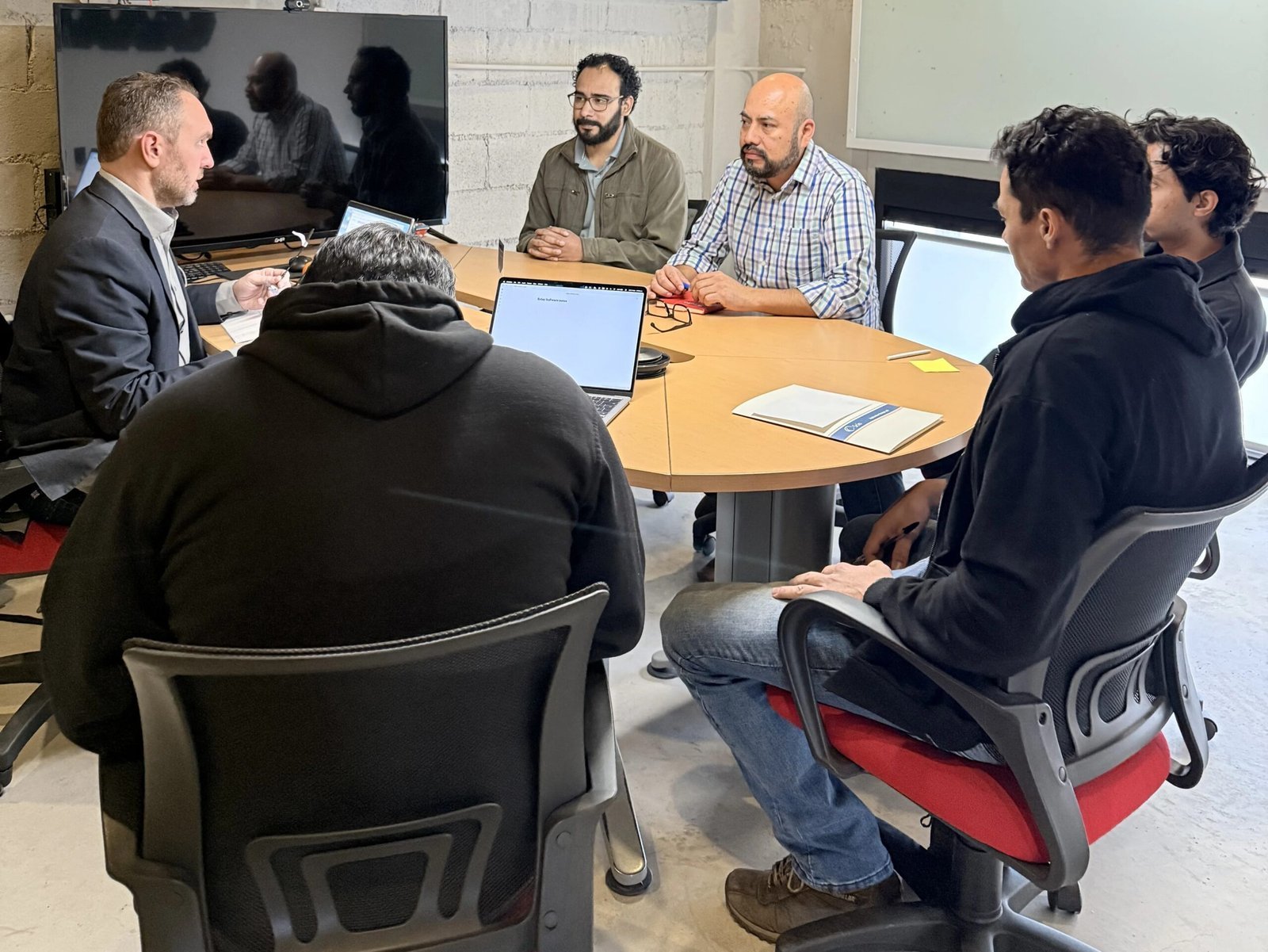
Specialists work inside your tools, architecture, standards, and delivery process rather than operating as a separate consulting track.
Knowledge transfer by design
Pairing, architecture reviews, runbooks, decision logs, reusable patterns, and handoff planning help the internal team understand what was built and why.
AI-assisted, engineer-led
AI-assisted workflows can support code understanding, documentation, technical discovery, test generation, and data analysis where appropriate.
THE SCIO CAPABILITY APPROACH
Find the gap. Add the expertise. Transfer the knowledge.
01
Clarify
Start with the business initiative, what is blocked, why it matters, and what needs to move.
02
Diagnose
Assess the current team's strengths and identify the technical capability, architecture, tooling, or process knowledge that is missing.
03
Shape
Determine whether the right answer is advisory support, an embedded specialist, a focused implementation team, or a temporary capability pod.
04
Integrate
Bring the specialist into the existing tools, standards, architecture, stakeholders, and delivery rhythm.
05
Execute & Enable
Move the technical work forward while documenting decisions, sharing patterns, and working alongside internal engineers.
06
Transfer
Define what the internal team owns next, what knowledge needs to stay, and whether the capability should remain external, become internal, or evolve into a broader team.
TARGETED TECHNICAL CAPABILITY
Focus expertise where it creates leverage.
Cloud, DevOps & Platform
Cloud migration, infrastructure, CI/CD, scalability, reliability, developer experience, and platform foundations.
QA Automation
Specialized automation capability when regression burden or release confidence is limiting delivery.
Data Engineering
Data pipelines, integrations, reporting, analytics infrastructure, and operational visibility.
AI Enablement
Technical discovery and implementation for AI-enabled workflows, copilots, agents, and practical automation use cases.
Mobile & Modern Front-End
Specialized product engineering capability when the existing team lacks the skills or capacity required.
Architecture
Technical direction, architecture reviews, modularity, platform decisions, and support around high-impact technical changes.
Security-Related Engineering
Application, infrastructure, dependency, and engineering-process improvements where security expertise is required.
COMMON QUESTIONS
What to know before adding specialized expertise.
Do we need one specialist or a full team?
It depends on the gap.
A narrow decision or capability may need one specialist. A defined implementation may require several disciplines working together. The engagement shape should follow the technical problem rather than a predetermined team package.
Can our internal team learn this instead?
Sometimes that is the better choice.
The decision depends on urgency, technical depth, delivery risk, and whether the capability will be needed repeatedly. Specialized external support is most useful when learning internally would put an important initiative at risk.
How do we avoid becoming dependent on Scio?
Knowledge transfer should be part of the engagement from the beginning.
That can include pairing, documentation, architecture reviews, runbooks, decision logs, training, reusable patterns, and an explicit ownership plan.
What if we are not sure what capability is missing?
Start with focused technical discovery.
The first step may be identifying whether the real constraint is architecture, cloud, DevOps, QA automation, data, AI, security, or something else before assigning specialists.
Can Scio support any niche technology?
Not automatically.
Highly specialized or uncommon technology needs should be assessed case by case. Scio should confirm the required depth is available before committing.
START WITH THE BLOCKED INITIATIVE
What technical capability is missing?
Tell us what needs to move, where your current team is running into a technical gap, and what happens if the initiative stays blocked.